I never expected a drone to become one of my most powerful tools—not just in my creative work, but in how I see the world.
When I first picked up a drone, it wasn’t with the intention of building a niche. I was simply curious. It was simply an aspect of the new job I was diving into, but it quickly became my favorite aspect of the work I do.
The journey into drone work wasn’t as seamless as those cinematic flyovers I post on Instagram might suggest.
It came with trial and error, anxiety attacks, lost signals, bad weather, and a very steep learning curve. Still, flying drones unlocked something I didn’t expect: a deeper connection to the way I tell stories—and to the world around me.
Here’s what I’ve learned since I took to the skies—and what I wish I knew before I ever launched my first flight.
The World Looks Different From Above—And So Do Your Ideas
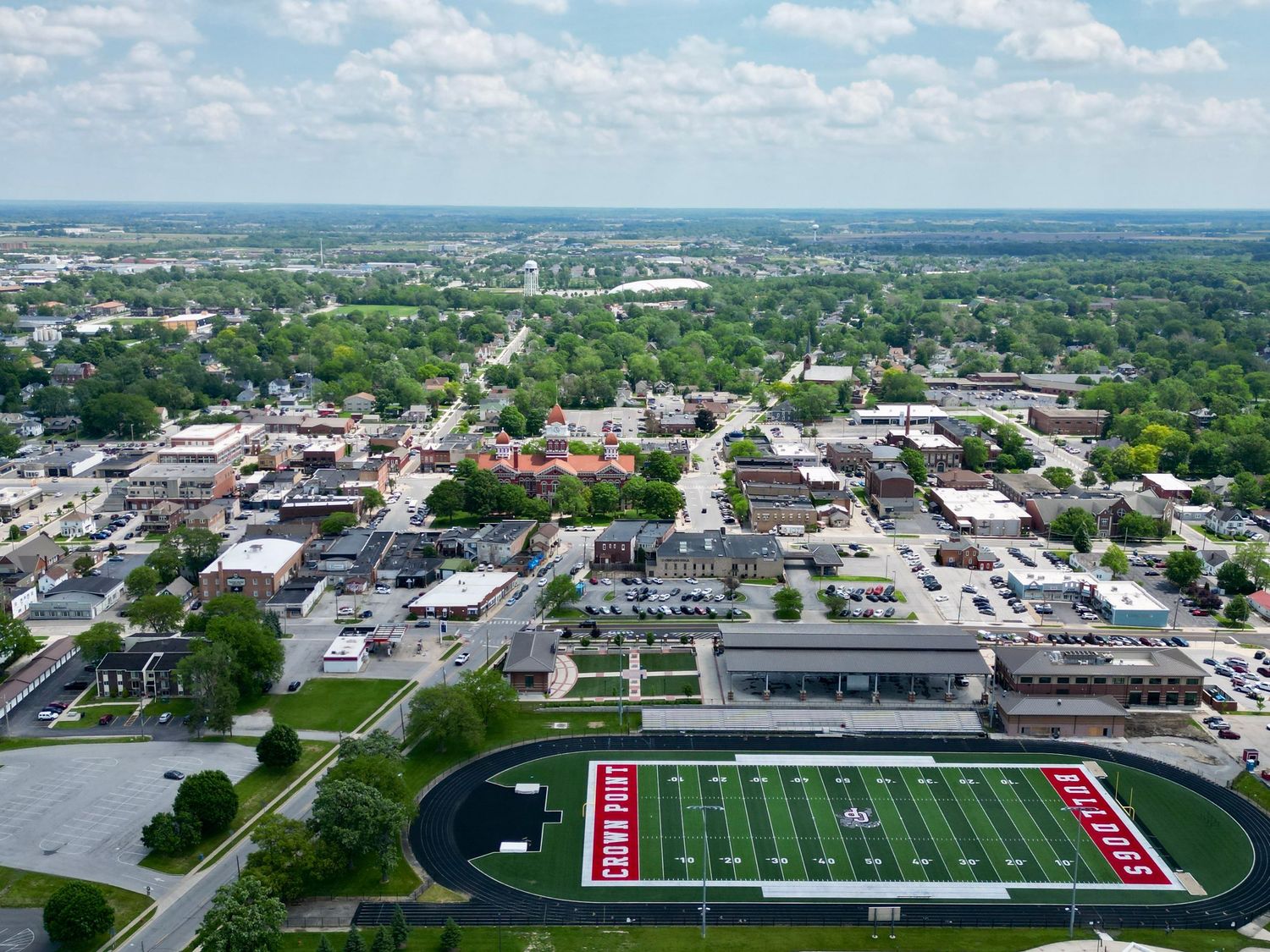
There’s something about seeing a familiar place from the sky that makes you rethink everything. A boring parking lot? From 300 feet up, it’s a geometric playground. A field at golden hour? It becomes a living painting.
Drone footage forces you to step back—literally and creatively. It’s helped me break out of creative ruts and find angles I never would’ve noticed on the ground. That bird’s-eye perspective reminded me that there’s always more to the story if you zoom out.
Learning to Fly Is Both a Technical Skill and a Patience Practice
Flying drones isn’t just plug-and-play. There are FAA regulations, weather conditions, camera settings, and manual controls to master. I had to get certified, learn the lingo (hello, Part 107), and understand airspace rules that felt more intimidating than they actually are.
But the truth? You don’t have to be an expert on day one. You just need to be curious, consistent, and okay with looking a little goofy when you're learning. I definitely crashed once or twice—okay, maybe more—but I learned every time.
Your Drone Footage Is Only as Good as Your Storytelling
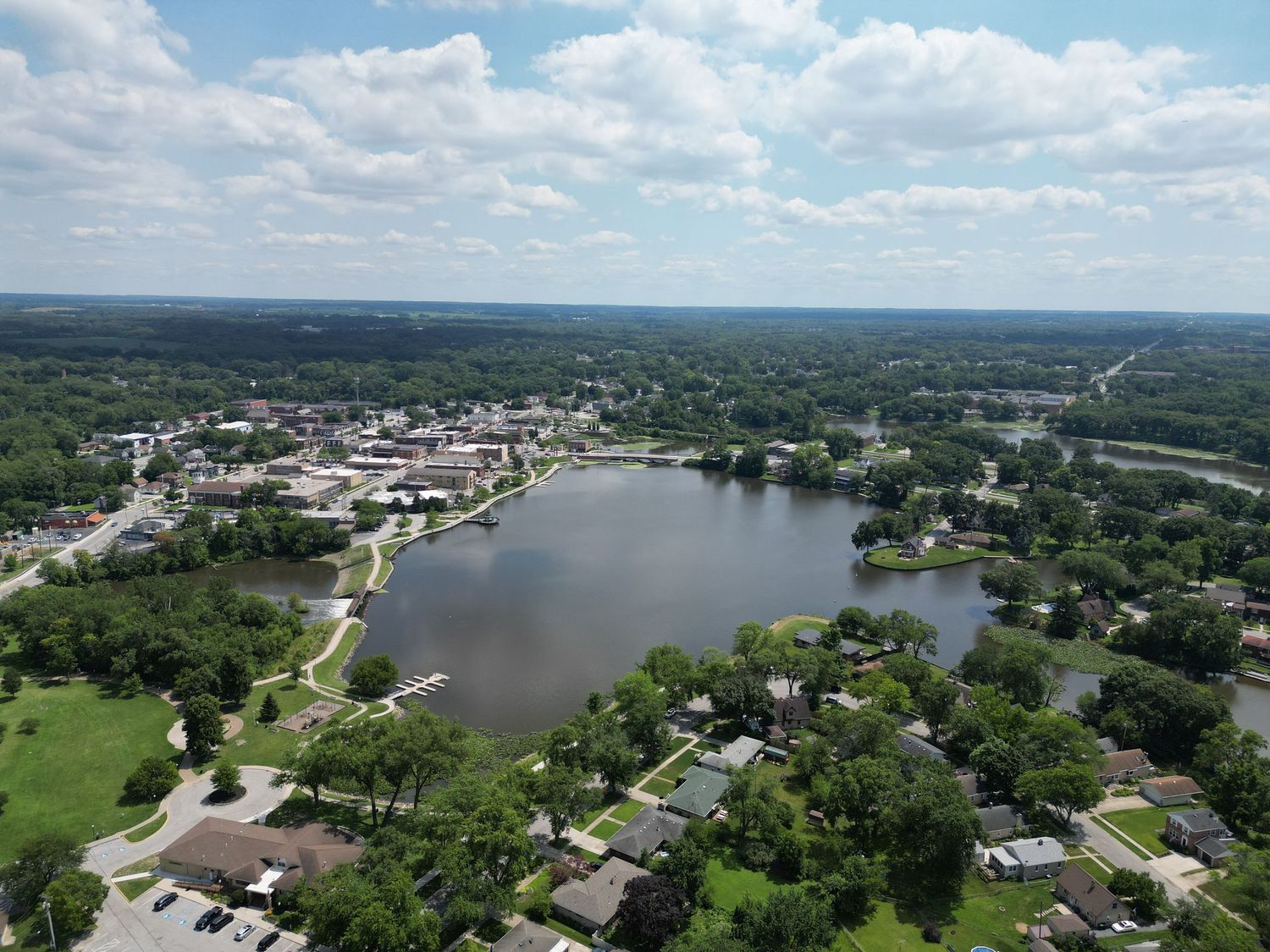
It’s easy to think a drone shot will magically make a video cinematic. But the real magic happens when drone footage supports the story you’re trying to tell.
I’ve used drones in real estate shoots to set the scene, in wedding films to capture quiet moments from above, and in branding projects to give a sense of space and scale. A beautiful drone shot means nothing if it doesn’t say something. That’s a lesson I’ll keep learning forever.
You Don’t Need the Most Expensive Gear—You Just Need to Start
If you’re thinking about getting into drones, don’t overthink it. I started with a mid-range DJI model and didn’t upgrade for a long time.
What matters most is flight practice, composition, and knowing how to edit your footage. You can’t edit shaky shots or bad lighting—but you can learn to work with what you have.
Invest in learning, not just gear.
Final Thoughts
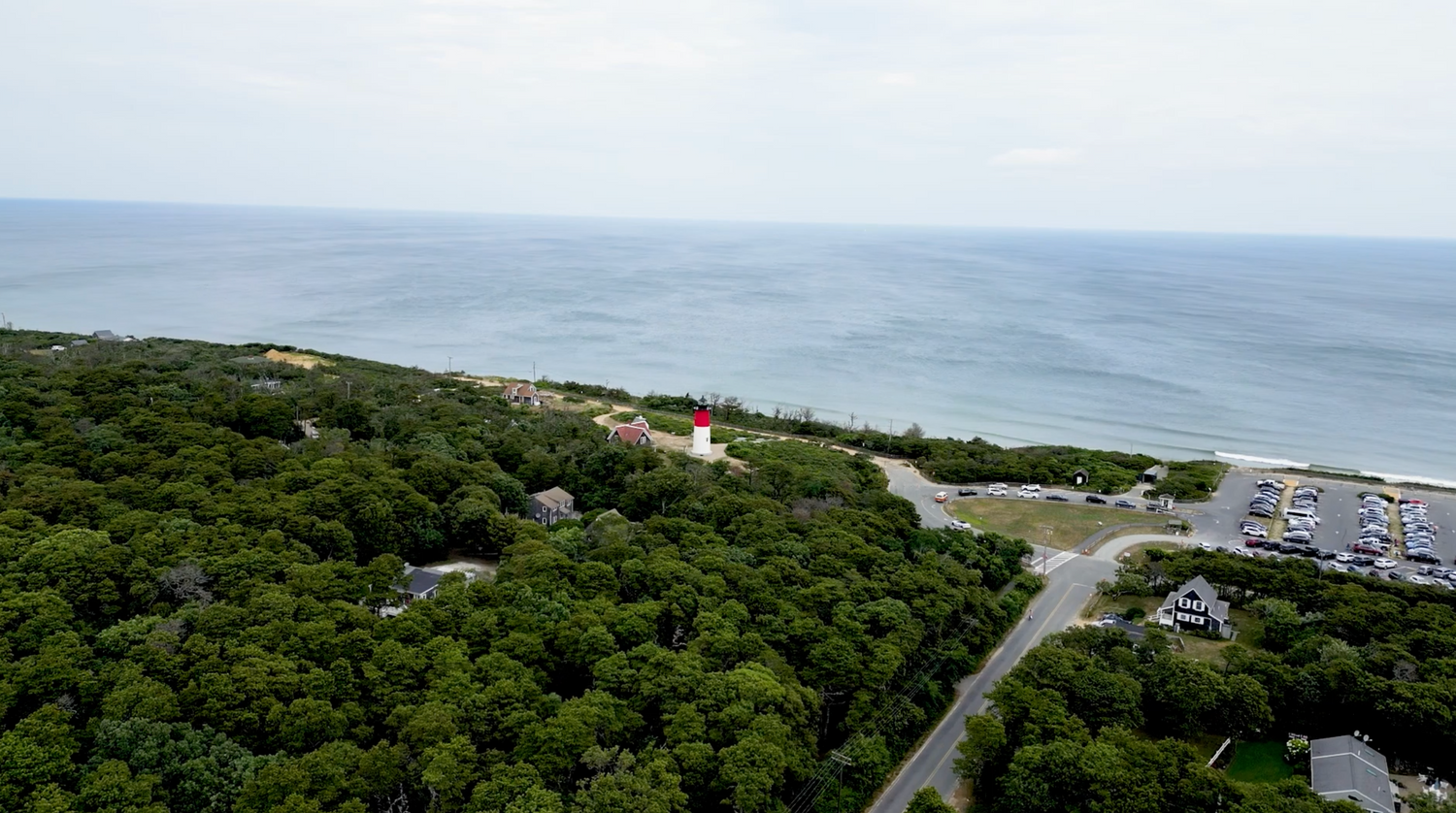
Flying drones has changed the way I create—but more than that, it’s changed the way I see. It’s taught me to pause, to look from new angles, and to trust that there’s beauty in the big picture, even when things on the ground feel messy.
If you’re thinking about diving into drone work, do it. Start small. Be patient. Stay curious. You never know what you’ll see until you rise above it all.
