The beginner-friendly guide I wish I had before liftoff
Let’s be real—when I first got into drones, the idea of legal airspace and federal regulations felt like something out of a pilot school handbook. I just wanted to fly, film something cool, and not accidentally end up on a no-fly list.
If you’ve ever felt confused by the legal side of drone flying, you’re not alone. The good news? It’s not as complicated as it seems. Once you break it down, it’s actually pretty manageable—and super important if you want to fly confidently (especially if you're flying for work).
Here’s a simple, no-fluff breakdown of what you need to know to legally fly drones in the U.S.
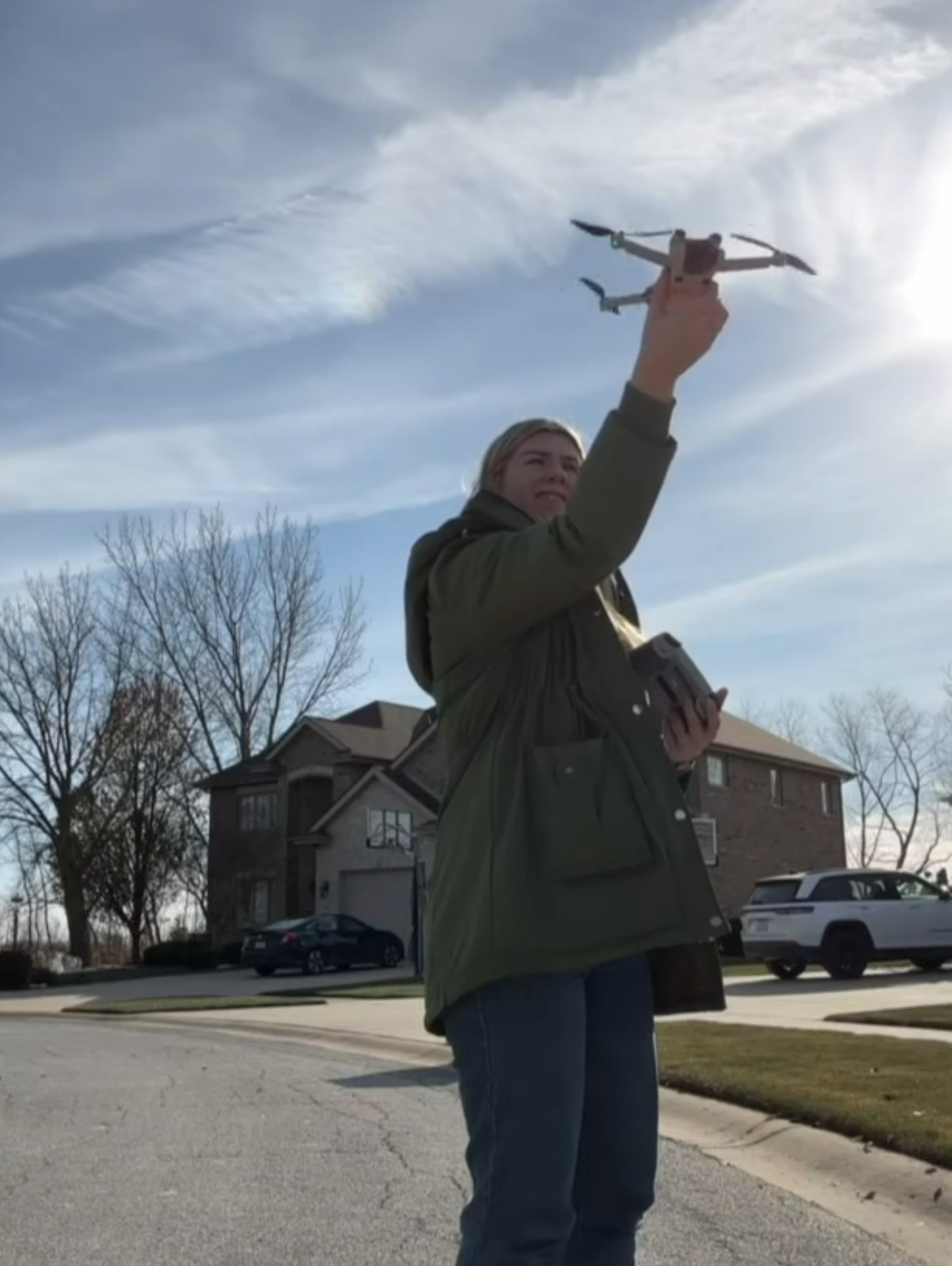
Do You Need a License?
It depends on how you're using your drone:
- Just for fun (hobbyist)?
- No license required—but you do need to pass a free FAA safety test called TRUST.
- Flying for work, business, or any kind of payment (even freebies)?
- Yep. You’ll need a Part 107 Remote Pilot Certificate from the FAA.
Pro tip: If you’re even slightly considering turning your drone skills into income (real estate, weddings, content creation, etc.), go ahead and get your Part 107. It’s a game-changer.
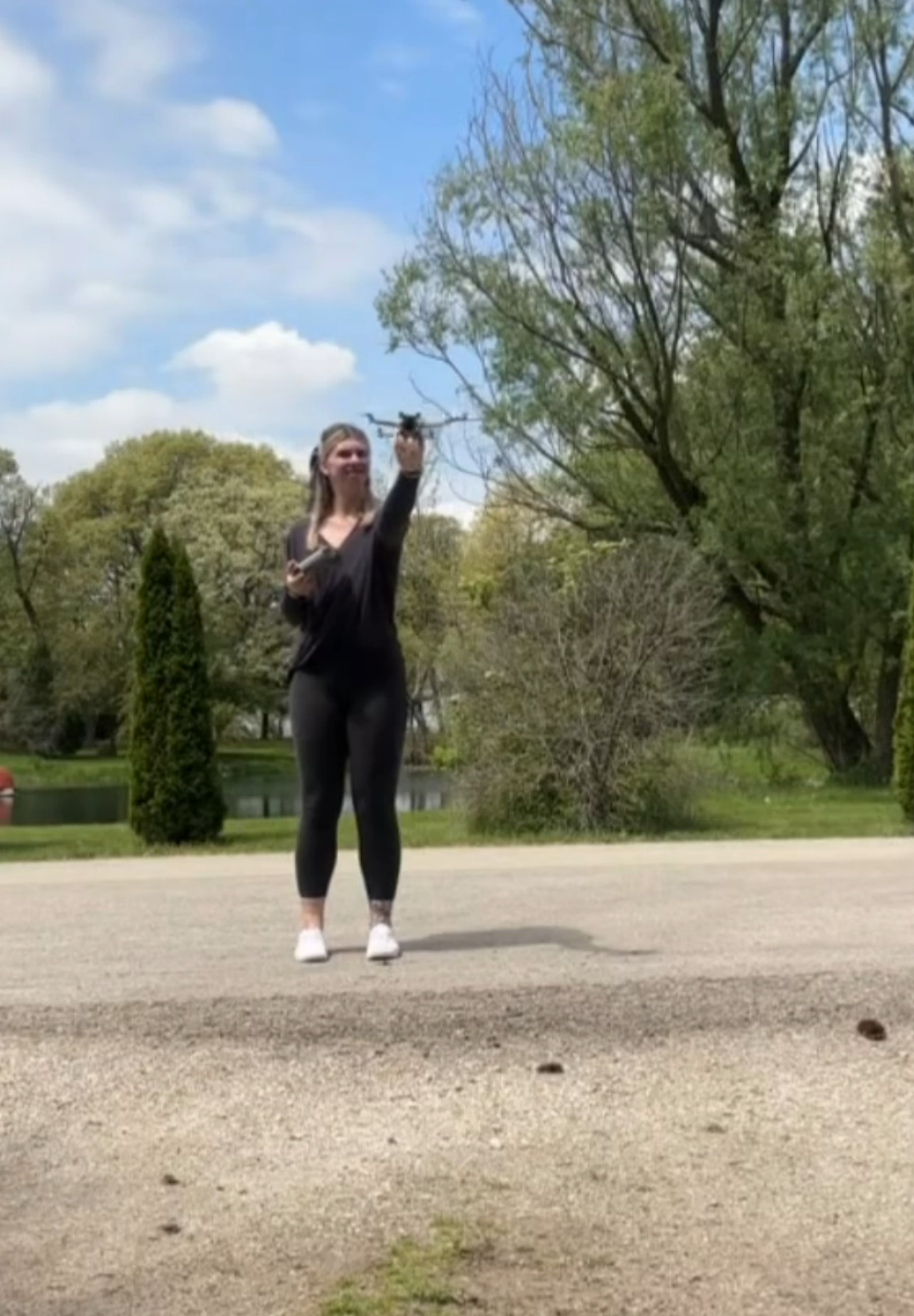
Register Your Drone
If your drone weighs over 0.55 pounds (250 grams)—which most decent camera drones do—you’re required to register it with the FAA. It costs $5 and takes like 5 minutes online.
Register here: faadronezone-access.faa.gov
You’ll get a registration number that must be clearly labeled somewhere on your drone. Old-school sticker, Sharpie—just make it visible.
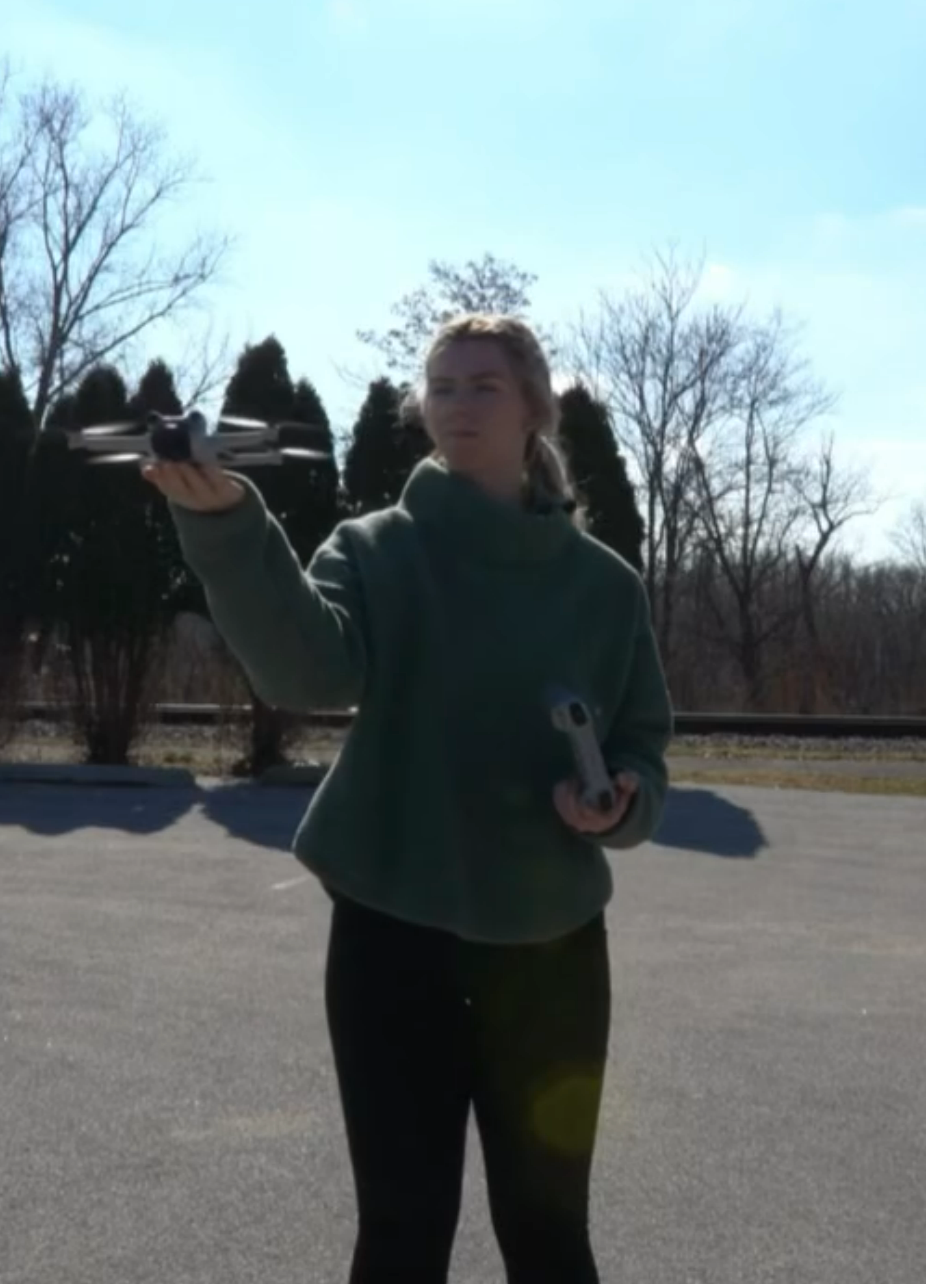
Learn the Basic Rules (That Actually Matter)
Here's your crash course in staying legal:
- Keep it under 400 feet
- Always keep your drone in sight (line of sight)
- Don’t fly over people or moving vehicles (unless you have a waiver or special clearance)
- Stay out of controlled airspace (like near airports) unless authorized
- Fly during daylight or civil twilight hours (unless you’ve got permission)
There are more details, but these are the ones most beginners accidentally overlook. I definitely did.
Want to Fly for Business? Study for Part 107
The Part 107 test isn’t hard, but it does take some prep. It covers:
- Weather patterns and reading METARs
- Airspace classifications
- Drone safety protocols
- Charts and radio frequencies
I studied for a few weeks and passed on the first try. Tons of affordable courses exist online to help you prep, including YouTube tutorials and practice quizzes.
Once you pass, you’ll be legally allowed to fly for clients, sell your footage, and get hired as a drone pilot.
Final Thoughts
Flying a drone is more than just picking up a remote—it’s a responsibility. But don’t let the rules scare you off. Once you understand the basics, they become second nature, and you’ll fly with way more confidence and professionalism.
So whether you’re a weekend adventurer or an aspiring drone pro, take the time to fly right. The sky isn’t the limit—it’s just the beginning.
